
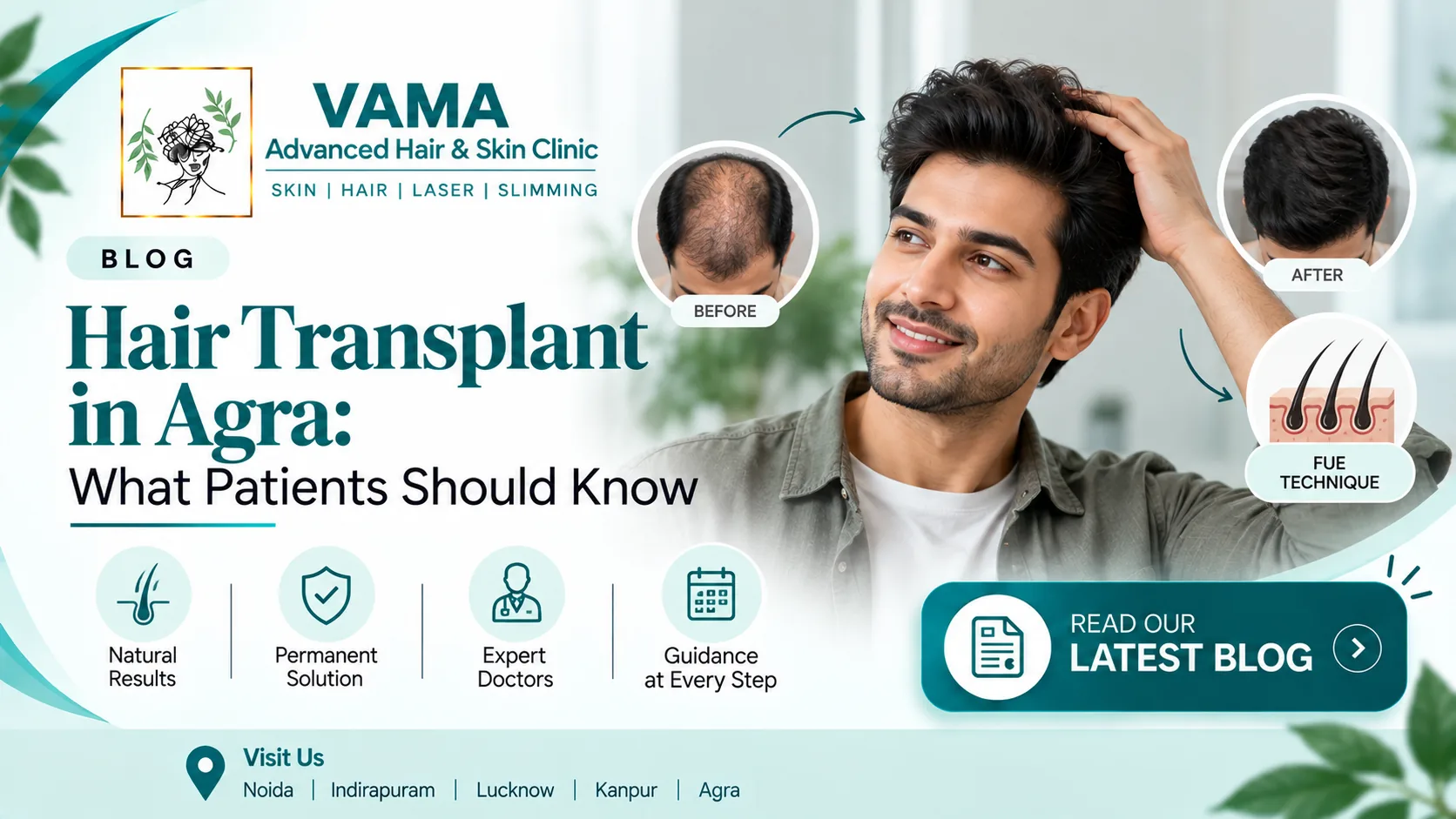
Deciding to get a hair transplant is a big step. For many people in Agra, it follows months or even years of watching a hairline recede, a crown thin out, or a parting widen. You may have tried oils, shampoos, supplements, and home remedies, and now you are considering a more lasting solution.
A hair transplant can deliver natural, permanent results, but only when you go in informed. Knowing what to expect, who to trust, and how to prepare can make the difference between a result you love and one you regret. This guide covers what every patient should know before booking a procedure, including how to find the right Hair Transplant Clinic in Agra.
1. Understand What a Hair Transplant Actually Is
A hair transplant does not create new hair. It moves healthy hair follicles from one part of your scalp, called the donor area, to the thinning or bald areas. The donor area is usually the back and sides of the head, where hair is genetically resistant to balding.
Once transplanted, these follicles continue to grow for life. That is why transplanted hair is considered permanent, while the surrounding non-transplanted hair may continue to thin if the underlying cause of hair loss is not managed.
This is why a transplant is best seen as one part of a long-term hair plan, not a one-time cure.
2. Find Out Why You Are Losing Hair First
Before any surgery, you need a diagnosis. Hair loss has many causes:
- Genetic (androgenetic) hair loss: The most common cause in both men and women
- Hormonal changes: Thyroid problems, PCOS, and other imbalances
- Nutritional deficiencies: Low iron, vitamin D, B12, or protein
- Stress and illness: Which can trigger temporary shedding
- Scalp conditions: Dandruff, fungal infections, or inflammation
- Medical treatments: Certain medicines and therapies
A transplant works best for stable, permanent hair loss. If your shedding is temporary or caused by a treatable condition, your doctor may advise treating that first. An honest clinic will tell you this, even if it means you do not need surgery right away.
3. Know the Techniques: FUE and Others
Two main techniques have shaped hair restoration: FUT (strip method) and FUE (follicular unit extraction). Today, most patients prefer FUE because it avoids a linear scar and offers quicker recovery.
In FUE, individual follicular units are extracted one by one from the donor area and implanted into the recipient area. If you are considering FUE Hair Transplant in Agra, here is what makes it popular:
- No long linear scar, so you can wear your hair short
- Minimal discomfort, as the procedure is done under local anesthesia
- Faster return to routine activities
- Natural-looking results when hairline design and angles are planned carefully
That said, the technique alone does not guarantee a good result. The skill of the team, the handling of grafts, and the planning behind the hairline matter just as much.
4. The Doctor Matters More Than the Machine
Many clinics advertise the latest technology, but a hair transplant is a surgical and artistic procedure. Your result depends heavily on the judgement of the person planning and overseeing it.
When searching for a Hair Transplant Doctor in Agra, look for:
- Recognized medical qualifications in dermatology, cosmetic surgery, or a related field
- Specialized training in hair restoration
- Real experience, including the number of cases handled
- Personal involvement in hairline design and key steps of the procedure
- Genuine before-and-after photos from actual patients
- Honest advice, including telling you if you are not a suitable candidate
Be cautious if a clinic promises unrealistic density, pushes you to decide quickly, or avoids introducing you to the doctor who will treat you.
5. Your Donor Area Sets the Limit
Your donor supply is limited. Every patient has a finite number of healthy follicles in the donor area, and this determines how much coverage is possible.
A good doctor will assess your donor density, hair thickness, and the extent of your hair loss before suggesting a graft number. Younger patients need extra care, as hair loss may continue to progress, and a poorly planned hairline can look unnatural years later.
Realistic planning means sometimes covering the front and mid-scalp first, and leaving the crown for later or for medical therapy. Be wary of anyone who promises full, dense coverage across a large bald area in a single session.
6. Hairline Design Is an Art
A natural hairline is irregular and soft. It is not a straight line. A hairline that looks too low, too straight, or too dense can appear artificial, however many grafts were placed.
A skilled doctor will design a hairline that suits your face shape, age, and future hair loss pattern. Do not hesitate to discuss and approve the design before the procedure begins. This is one of the most important parts of your result.
7. Choosing the Right Clinic
The environment where your procedure takes place should inspire confidence. Searching for the Best Hair Transplant in Agra is not about picking the loudest advertisement or the lowest price. It is about finding a team you can trust.
Check the following:
- Hygiene and safety standards in the procedure area
- Transparent consultation, where the doctor examines your scalp and explains your options
- Clear communication about the procedure, expected results, and recovery
- Proper aftercare support and follow-up visits
- Reviews and patient feedback from real people
A reliable Hair Transplant Clinic in Agra will welcome your questions, give you time to decide, and never pressure you into booking.
8. Be Realistic About Cost
Hair transplant pricing varies depending on the number of grafts, the technique, the doctor's experience, and the facilities. Remember these points:
- A very low price can signal rushed work, inexperienced staff, or compromised hygiene
- A clear quotation should follow a proper examination, not a phone call
- Ask what the price includes, such as medicines, follow-up visits, and supportive treatments
- Consider the total value, not just the lowest number
A hair transplant is a long-term investment in your appearance. Paying for expertise is usually safer than saving money on a procedure that is difficult to correct.
9. What Recovery Looks Like?
Knowing the recovery timeline prevents unnecessary worry.
First few days
Mild swelling, redness, and small scabs in the treated area are normal
First two weeks
Scabs fall off, and the scalp begins to settle
Weeks two to six
Transplanted hairs often shed. This is a normal phase, not a failure
Months three to four
New growth begins to appear
Months six to twelve
Hair becomes thicker and more natural, with final results visible close to a year
Patience is essential. Many people panic during the shedding phase, but it is a well-known part of the process.
10. Follow Aftercare Instructions Closely
Your care after the procedure directly affects your results.
- Wash your scalp exactly as instructed
- Avoid scratching, rubbing, or touching the grafts
- Sleep with your head slightly raised for the first few nights
- Protect your scalp from sun, dust, and pollution
- Avoid smoking and alcohol during the early healing period
- Skip strenuous exercise until your doctor allows it
- Take prescribed medicines and attend every follow-up
11. Support Your Results with Long-Term Care
A transplant protects your new hair, but your existing hair still needs attention. Your doctor may recommend medication, topical treatments, or supportive therapies to slow further loss. A healthy diet, good sleep, and stress control also help your scalp stay in good condition.
Questions to Ask Before You Book
Take this checklist to your consultation:
- 1Am I a good candidate for a hair transplant?
- 2Which technique do you recommend for me, and why?
- 3How many grafts will I need, and is my donor area enough?
- 4Who will plan my hairline and perform the key steps?
- 5Can I see results from patients with similar hair loss?
- 6What is included in the cost?
- 7What are the possible risks and side effects?
- 8What follow-up and aftercare support will I receive?
Clear, confident answers to these questions are a strong sign of a trustworthy clinic.
Final Thoughts
A hair transplant can restore not just your hair, but your confidence. The best outcomes come to patients who prepare well: understanding the cause of their hair loss, choosing an experienced doctor, setting realistic expectations, and following aftercare with discipline.
Take your time, compare your options, and never make a decision based on price or promises alone. When you find the right team, you will feel supported at every stage, from consultation to final results.
If you are considering a hair transplant, book a consultation with a qualified specialist and get an honest assessment of what is possible for you.
Book a free consultationVisit More Reference Blogs
Best Hair Transplant Clinic in Lajpat Nagar, Delhi: Complete Guide for 2026
7 Common Mistakes to Avoid Before a Hair Transplant in Indirapuram
Complete Hair Treatment Options in Noida: Which One Is Right for You?
How Long Do Hair Transplant Results Last?
Why Lajpat Nagar, Delhi Is a Popular Destination for Hair Transplants
Before Your Treatment: A Guide to Choosing the Right Clinic
Hair Transplant Success Rate: What Determines the Results of a Hair Transplant?
The Growing Hair Transplant Market in Noida: Trends & Opportunities
Have a question about this?
Talk to one of our specialists directly — no obligation.
Book a Consultation